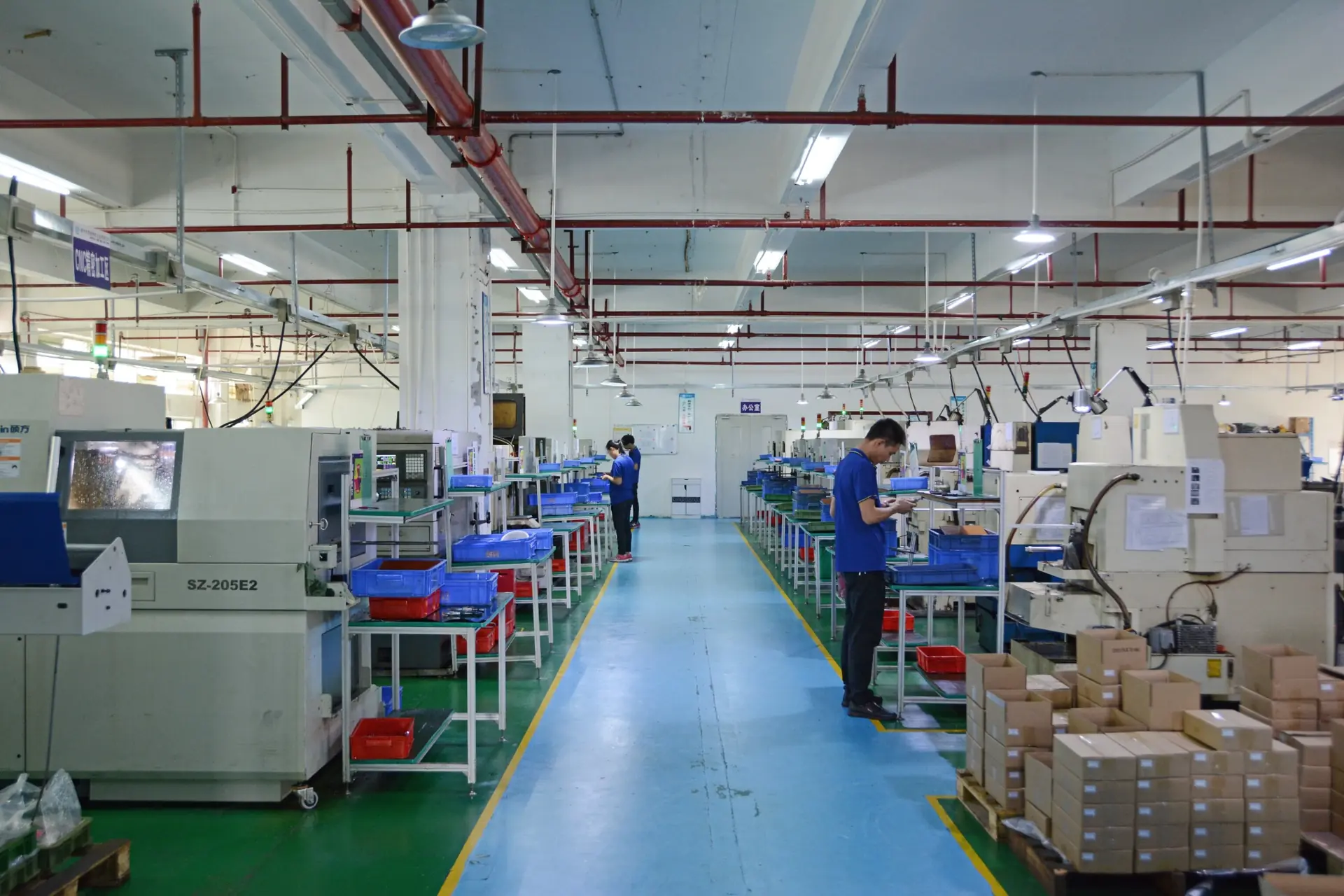
An airbrush OEM MOQ discussion should start with the product scope, not a single number. Minimum order quantity changes when the buyer moves from a standard airbrush to logo marking, custom color, retail packaging, complete kits, spare parts or a deeper ODM change.
This guide is for importers, distributors and private-label teams that need a realistic MOQ conversation before requesting samples or a first quotation. It explains which decisions change the minimum, what to prepare for the supplier and how to keep open commercial items out of the final product brief until YIDIAN confirms them for the selected configuration.
YIDIAN does not publish one fixed MOQ on this page. Confirm the selected airbrush model, branding method, packaging scope, accessory list and destination market first, then request a product-specific reply through the inquiry form.
Why one MOQ cannot fit every airbrush project
Buyers often ask for the lowest possible minimum before the product is defined. That creates weak quotations because the supplier does not know whether the request is for a stock model, a sample run, a branded product or a custom retail kit. Each level has different setup work, material control, artwork approval, inspection time and packing requirements.
| Project type | Typical MOQ driver | What to confirm first |
|---|---|---|
| Stock airbrush sample | Available model and sample handling | Model, nozzle range, feed type and sample purpose |
| Wholesale order | Assortment, packing option and repeat-order plan | Target channel, launch quantity, carton data and support parts |
| Logo or color change | Decoration setup, finish process and approved sample | Logo method, color reference, marked part and acceptance rule |
| Retail box or kit | Artwork, insert, manual, accessories and outer carton | Bill of materials, package proof, barcode and carton mark |
| ODM development | Engineering, prototype, validation and tooling decisions | Development scope, ownership, test plan and release stages |
A useful MOQ answer therefore needs context. A private-label box can change the minimum even when the airbrush body is standard. A complete kit can also change the answer because the hose, adapter, mini compressor, cleaner, manual and replacement parts may each have their own planning constraint.
Prepare the MOQ brief before asking for a quote
The fastest route to a serious answer is a short MOQ brief. It should explain what the buyer is trying to launch, what is already decided and what still needs supplier advice. Do not fill unknown fields with guesses just to make the message look complete.
| Brief field | Buyer input | Why it affects MOQ |
|---|---|---|
| Application | Model painting, nail art, cake decoration, beauty, body art, hobby or distributor range | Changes nozzle, cup, pressure, instructions and support parts |
| Product level | Standard model, logo, color, package, complete kit or development | Separates stock availability from customized production |
| Sample goal | Function check, retail proof, packaging review or buyer approval | Prevents sample MOQ and production MOQ from being mixed |
| Launch plan | Trial order, first commercial order and expected reorder path | Helps the factory judge whether a low trial minimum is scalable |
| Market | Destination country, language, voltage or plug where relevant | Changes labels, manuals, compressors and responsible-party review |
| Open decisions | Items still undecided by the buyer | Keeps the quotation from becoming a false commitment |
For a broader supplier review, pair this brief with the OEM airbrush manufacturer audit guide. For retail brand scope, use the private-label airbrush checklist before discussing printed packaging.
Separate sample MOQ from production MOQ
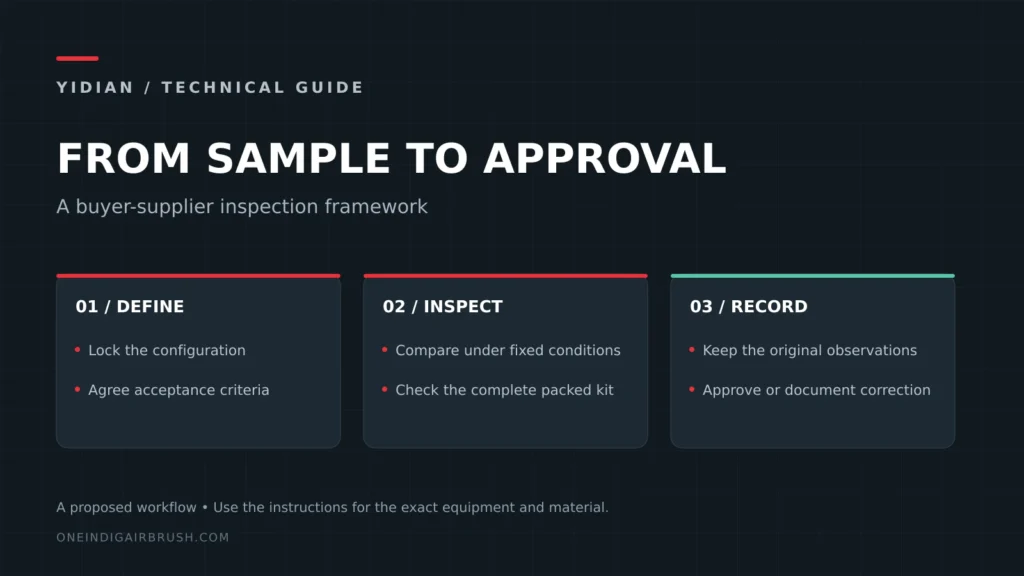
A sample order is not the same as a production order. Samples are used to prove function, configuration, finish, packaging or system fit. Production MOQ is tied to the approved SKU, materials, package and release plan. Treating a sample quantity as a production promise can create confusion later.
- Functional sample: confirms the airbrush model, control feel, nozzle range and spray result.
- Marked sample: checks logo position, decoration method, color and surface finish.
- Packed sample: proves component count, insert, manual, barcode, carton mark and protection.
- System sample: validates airbrush, compressor, hose, connector, moisture control and support accessories together.
- Pilot order: checks production records, inspection, packing, shipping documents and early customer feedback.
Ask the supplier to name which MOQ applies to which stage. If the page, quotation or message does not separate sample, pilot and repeat order, request clarification before comparing offers.
How product customization changes MOQ
Customization is not one decision. A logo on a standard part, a new color, a private-label carton and a structural change have different risk and setup effort. The MOQ conversation should follow the customization layer.
| Customization layer | Buyer evidence to provide | Supplier confirmation needed |
|---|---|---|
| Logo marking | Vector artwork, size, location and color rule | Decoration method, proof sample and acceptance limit |
| Color or finish | Color reference, surface target and parts affected | Process route, sample requirement and variation boundary |
| Retail box | Dieline, artwork, barcode, language and content hierarchy | Print proof, packed sample and outer-carton data |
| Accessory set | Hose, adapter, cleaning tool, spare parts and support item list | Availability, compatibility and package fit |
| Compressor kit | Voltage, plug, pressure use case and destination market | Selected compressor version, label scope and system test |
| ODM change | Functional target, drawing change or user-experience issue | Engineering route, prototype stage and approval owner |
When the customization layer is unclear, the safest supplier response is conditional. Record the unknown item instead of turning it into a fixed MOQ. The final quote should identify which assumptions were used.
Complete kits need a broader MOQ review
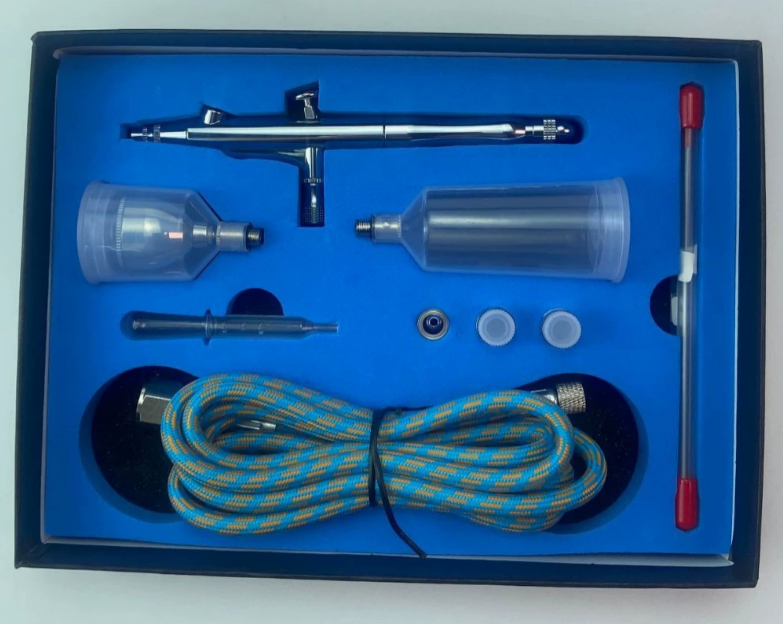
A complete airbrush kit may include the airbrush, compressor, hose, quick connector, filter, cleaning tools, instruction sheet and spare parts. Each component must fit the product promise and package. Even when the airbrush is available, a custom kit can require separate approval for accessories and cartons.
Use the complete airbrush kit supplier guide to define the system. If the kit includes an air source, check the mini air compressor selection guide before requesting MOQ. Compressor voltage, plug, hose fitting and pressure behavior should be confirmed for the destination market and application.
Ask whether the quoted MOQ applies to the airbrush only, the decorated product, the retail pack, the compressor version, or the complete kit as packed. Those are different commercial scopes.
Spare parts and service stock are part of MOQ planning
Distributors and brands should not treat needles, nozzles, seals, hoses and connectors as an afterthought. A launch order without replacement parts can create support problems even if the first shipment sells well. Ask how the supplier identifies compatible service parts by model and revision.
The needle and nozzle compatibility guide explains why a nominal size alone is not enough. For MOQ planning, create a spare-parts row in the brief with model, part code, package style, label language and reorder expectation. Do not assume the service-part minimum is identical to the finished-kit minimum.
Use MOQ ranges internally, but request confirmed terms externally
Internally, a buyer can model low, expected and high launch volumes to decide whether the program is viable. Externally, send the supplier the current planning range and ask which minimum applies to the chosen scope. Avoid publishing or promising an MOQ to downstream customers until the supplier confirms the exact configuration.
| Planning question | Why it matters | What to keep open |
|---|---|---|
| Is this a trial order or a launch order? | A trial may focus on sample validation while launch requires packaging and support controls. | Final MOQ, unit price and lead time until scope is confirmed. |
| Will the same SKU repeat? | Repeatability may justify more setup work and stricter release files. | Forecast is not a purchase commitment. |
| Which items are custom? | Custom parts and packaging can drive separate minimums. | Any undecided color, artwork, package or accessory. |
| Which market will receive the product? | Labels, plug versions and manuals can change the production file. | Compliance or responsible-party details not yet reviewed. |
This approach protects both sides. The buyer receives a response that can be compared, and the supplier avoids quoting a minimum based on assumptions that may later change.
Separate sample cart orders from OEM quote assumptions
The online product catalogue can help a buyer shortlist a model family, compare visible photos and prepare a sample order discussion. It should not be treated as a finished OEM quotation. A cart line can identify the selected product, while the wholesale or private-label MOQ still depends on the approved configuration, package, accessory scope, destination market and order stage.
| Buyer action | Useful for | Still needs manual confirmation |
|---|---|---|
| Open a product page | Model identity, visible image set and current catalogue description. | Nozzle or head option, service-part match and application fit if not already defined. |
| Add a sample candidate to cart | Creating a clear shortlist for an initial sample or configuration review. | Wholesale MOQ, branded packaging, final price, freight, taxes and payment route. |
| Send an OEM brief | Explaining launch quantity, sample purpose, customization layer and open decisions. | Factory reply for the selected scope, including which assumptions drive the MOQ. |
For a private label airbrush trial order brief, record whether the cart item is only a standard sample, a marked sample, a packed sample or a complete-kit candidate. For an OEM airbrush quote assumptions checklist, keep the visible catalogue price, MOQ discussion, shipping method and payment status in separate fields until YIDIAN confirms the product-specific terms.
If the buyer is not ready to choose a model, start with the product collection and mark unresolved configuration questions before sending the inquiry. This keeps airbrush OEM sample order checklist work connected to real catalogue choices without turning the catalogue into a bulk-order promise.
Questions to send with an OEM MOQ inquiry
Use these questions when contacting YIDIAN or comparing airbrush suppliers. Keep answers short, but include enough information for the supplier to identify the right path.
- Which airbrush model or application are you considering?
- Is the request for sample validation, first commercial order or repeat-order planning?
- Do you need standard product, logo marking, custom color, retail packaging or a complete kit?
- Which nozzle range, feed type, compressor or accessory set must be included?
- What destination market, language, voltage or plug condition affects the product?
- Which parts of the brief are confirmed and which are still open?
- Do you need service parts, packaging files or inspection records with the quote?
For wholesale range planning, connect the MOQ question to the airbrush wholesale supplier buying guide. That keeps assortment, sample approval, quotation normalization and repeat-order control in the same decision file.
MOQ red flags during supplier comparison
- A supplier gives one MOQ without asking model, package, customization or market questions.
- Sample MOQ, production MOQ and repeat-order MOQ are not separated.
- A low minimum excludes packaging, accessories, inspection or service parts that your channel needs.
- The quote does not state whether logo, color, carton and manual are included.
- The supplier will not identify which MOQ is driven by the airbrush, the package or the accessory set.
- The buyer is asked to approve artwork before the product configuration is stable.
Send a quote-ready MOQ brief
YIDIAN can review standard-platform, OEM, private-label and complete-kit airbrush projects when the product scope is clear enough for a useful reply. Send the application, selected model or product family, customization scope, sample goal, destination market and expected order stage. If a field is unknown, mark it as open so the response can separate confirmed items from assumptions.
Related buyer resources: OEM factory audit guide, private label airbrush checklist, complete kit supplier guide, sample quality-control checklist and wholesale supplier buying guide.